
10 Steps to Process Improvement and Automation in Manufacturing
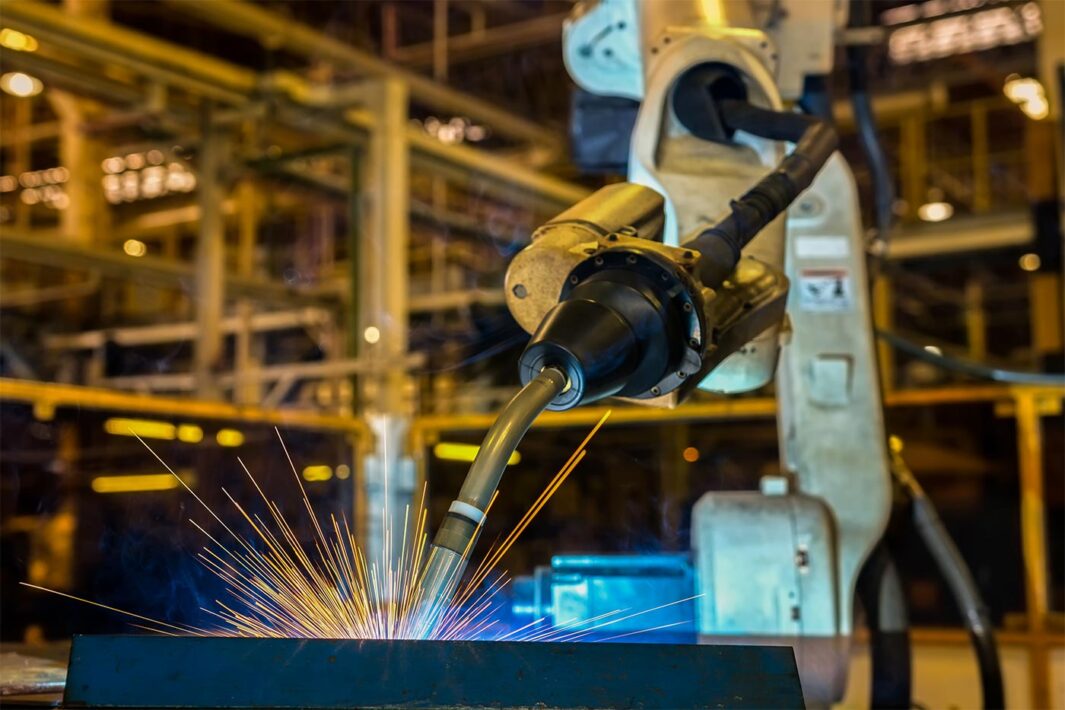
Manufacturers today are under constant pressure to deliver more with less (faster cycle times, higher quality, and lower costs), all while navigating labor constraints, supply chain volatility, and shifting customer expectations. Traditional production methods alone can’t keep pace with these demands. That’s where process improvement and automation step in.
At its core, process improvement is about finding smarter, more efficient ways to get work done. It’s the discipline of examining how tasks flow across a plant, identifying where bottlenecks or inefficiencies exist, and redesigning those processes to produce more consistent, reliable results. When paired with automation technologies (whether robotics on the floor, connected sensors tracking performance in real time, or workflow software that eliminates repetitive manual steps), the impact multiplies: higher productivity, lower error rates, and stronger margins.
But the challenge isn’t knowing the potential—it’s getting there. Competing priorities, legacy systems, and workforce adoption issues can quickly derail well-intentioned initiatives. Without structure, many projects stall or fail to deliver on expected ROI.
That’s why leading organizations turn to manufacturing workflow automation consultants and business process improvement consultants. Beyond technical expertise, they bring tested frameworks, objective analysis, and cross-industry experience to ensure automation initiatives align with business strategy and deliver measurable results.
Here, we’ll outline a practical roadmap for combining process improvement with automation while showing how the right consulting support can help manufacturers turn ambitious goals into measurable results.
Understanding the Foundations
Before a manufacturer can confidently automate, it’s critical to understand the building blocks of process improvement and how automation fits into the bigger picture. Skipping this step can lead to costly missteps, where tools are layered on top of flawed workflows. A strong foundation ensures automation drives measurable improvement, rather than just adding complexity.
Process Improvement in Manufacturing
Process improvement is the practice of systematically refining the way work gets done. In manufacturing, that might mean reducing scrap rates, shortening production cycles, or streamlining handoffs between teams. Done well, it eliminates bottlenecks and creates consistency, helping plants do more with fewer resources.
What makes this challenging is that processes are rarely as straightforward as they appear on paper. Unspoken workarounds, outdated SOPs, and gaps between departments can all slow down operations. This is where process improvement consultants bring value: They know how to map workflows, uncover inefficiencies that internal teams may overlook, and design more resilient systems that scale.
Manufacturing Workflows
A manufacturing workflow is essentially the backbone of production. It’s the step-by-step activities that move a product from design to delivery. These workflows cover planning, sourcing materials, scheduling, assembly, quality checks, packaging, distribution, and maintenance. Depending on the plant, workflows may follow different models, from batch production to continuous flow.
The challenge for many organizations is that workflows often evolve piecemeal over time, leading to silos and redundancies. Business process improvement consultants help companies take a step back, examine workflows end-to-end, and identify where redesign or automation can unlock efficiency.
Automation in Manufacturing
Automation, or industrial automation, is the use of technology (robots, AI, sensors, and connected systems) to handle tasks traditionally managed by people. It can take the form of fixed automation for high-volume, standardized production or flexible automation that adapts to different tasks and product types.
The benefits are clear: reduced manual labor, improved accuracy, lower costs, and the ability to respond quickly to changing demand. But automation only delivers on its promise when implemented strategically. Business process automation consulting ensures the right processes are selected, technologies are integrated seamlessly, and ROI is measured effectively.
With these foundations in place, manufacturers can confidently move into the next stage: building a practical roadmap for process improvement and automation that delivers results on the shop floor.
A Practical Roadmap to Process Improvement and Automation
Process improvement and automation don’t succeed by accident; they require a structured plan. Below is a roadmap that plant managers and operations leaders can follow to move from big-picture goals to measurable improvements.
While each step can be initiated internally, many organizations accelerate their results by partnering with manufacturing workflow automation consultants or business process automation consulting firms that specialize in guiding complex transitions.
Step 1: Define Objectives With Business Impact
Start with clear, measurable goals: reducing downtime, lowering unit costs, improving on-time delivery. Objectives should tie directly to profitability and competitiveness, not just operational “nice-to-haves.”
Consultants help align targets with enterprise-level outcomes, ensuring automation is a strategic investment, not an isolated project.
Step 2: Map the Current Process
Understanding your starting point is essential. Detailed process mapping captures every step, stakeholder, input, and output. It establishes a baseline and highlights inefficiencies, bottlenecks, and error-prone points.
Consultants apply structured process mapping and root cause analysis to highlight bottlenecks and uncover hidden opportunities for improvement.
Step 3: Select the Right Process to Automate First
Rather than automating your most complex processes first, target something simple, repetitive, and high-volume. These “quick wins” build confidence and demonstrate early value.
Criteria to consider include:
- Simplicity: Processes with minimal dependencies are easier to automate.
- Repetition: High-volume, repetitive tasks yield the greatest efficiency gains.
- Error-proneness: Manual steps prone to mistakes are prime candidates.
- ROI potential: Projects should balance upfront investment with clear productivity, quality, or safety gains.
- Employee input: Frontline staff can flag pain points and highlight safety or compliance concerns.
Consultants bring cross-industry benchmarks and structured evaluation frameworks to prioritize projects that deliver momentum without jeopardizing operations.
Step 4: Appoint a Technical Champion
Change initiatives need an internal owner. A technical champion coordinates across departments, maintains accountability, and ensures alignment with plant priorities.
Process improvement consultants often advise on the scope of this role and provide coaching, so the champion has the right tools and authority to succeed.
Step 5: Assemble a Cross-Functional Team
An Advanced Manufacturing Team (AMT) draws expertise from operations, IT, engineering, maintenance, and quality. This ensures improvement efforts are technically sound and operationally realistic.
A consultant can guide team structure, recommend project management frameworks, and introduce simulation/testing practices that reduce risk before changes hit the production floor.
Step 6: Secure Executive Sponsorship
Without leadership commitment, projects stall. Executive buy-in ensures access to funding, resources, and alignment with enterprise strategy.
Consultants frequently support this step by developing ROI models and business cases that give leadership the confidence to prioritize and sustain initiatives.
Step 7: Develop, Pilot, and Implement Improvements
Improvement strategies should be piloted, tested, and refined before full-scale rollout. This reduces operational risk and accelerates adoption.
Consultants provide structured implementation roadmaps, phased testing, and vendor management to minimize disruption and maximize speed to value.
Step 8: Bring Employees Into the Fold Early
Employee adoption is critical. Frontline operators bring practical knowledge of where processes break down, and their buy-in reduces resistance to change.
Business process improvement consultants design engagement and change-management programs that ensure employees feel heard, supported, and prepared to work with new processes and tools.
Step 9: Integrate Technology Partners Strategically
Automation rarely succeeds with internal resources alone. The right technology partners bring robotics, IoT, and AI expertise, while the wrong choice can lock manufacturers into expensive, inflexible systems.
Consultants help evaluate vendors, negotiate contracts, and manage integration, ensuring that systems align with both current needs and future scalability.
Step 10: Measure, Standardize, and Sustain
Improvements must be monitored, documented, and embedded in standard operating procedures (SOPs). Regular performance reviews prevent backsliding and create a foundation for continuous improvement.
Consultants bring proven frameworks for measurement and sustainability, helping organizations build cultures of ongoing improvement and ensuring momentum doesn’t fade after the first project.
This roadmap offers manufacturers a structured, practical way to combine process improvement with automation. The difference between incremental progress and sustained competitive advantage often lies in whether organizations pursue this path alone or leverage external expertise to accelerate results and reduce risk. With the right partner, manufacturers don’t just complete projects; they create a foundation for resilience and agility.
Overcoming Common Challenges With Expert Guidance
Even with a clear roadmap, manufacturers often encounter obstacles that slow or derail improvement initiatives. These challenges aren’t unique to any one plant; they’re common across the industry. The difference between companies that struggle and those that succeed often comes down to having the right expertise to navigate them.
Integration Across Complex Systems
Most manufacturing environments already run on multiple layers of technology—ERP platforms, production systems, and machine-level controls. These systems don’t always “talk” to one another, and trying to automate on top of disconnected systems can create more problems than it solves.
How consultants help: Business process automation consulting firms specialize in stitching together fragmented systems. They bring integration strategies that connect workflows end to end, eliminate silos, and give leadership a clear, real-time view of operations.
Uncertainty in Demand and Planning
Markets shift quickly, and supply chain disruptions can make demand forecasting a moving target. Misjudging demand leads to two costly outcomes: too much inventory that ties up cash, or not enough product to meet customer needs.
How consultants help: By applying advanced analytics, scenario modeling, and process redesign, consultants help leadership see demand patterns more clearly and build workflows that can adapt to changing conditions.
Resistance to Change
Even the best automation plan fails if the workforce isn’t ready to adopt it. Lack of training, unclear communication, or fear of disruption can all undermine productivity and morale during rollout.
How consultants help: Process improvement consultants bring proven change-measurement frameworks, from employee workshops to phased adoption strategies, that give teams time to adapt. The result is smoother adoption and a workforce that’s engaged in, rather than resistant to, the changes.
With the right guidance, these common challenges don’t have to be roadblocks. They can become moments where an organization strengthens its systems, sharpens its forecasting, and builds a culture more open to innovation, ultimately turning hurdles into competitive advantages.
Building a Sustainable, Automated Manufacturing Future
Process improvement and automation hold enormous potential for manufacturers: streamlined workflows, reduced costs, higher quality, and the agility to respond to market shifts. But translating that potential into measurable results is rarely straightforward. It requires aligning people and processes with technologies under a clear roadmap, and sustaining that progress long after the first automation project is complete.
That’s where working with manufacturing workflow automation consultants and process improvement consultants makes a critical difference. The right partner doesn’t just bring technical expertise; they apply proven frameworks, objective analysis, and cross-industry experience to help organizations sidestep common pitfalls, accelerate ROI, and embed continuous improvement into daily operations.
The roadmap outlined here is a strong starting point. But when supported by experienced advisors, it evolves from a plan on paper into a practical strategy that delivers lasting competitive advantage.
For manufacturers ready to move from ideas to outcomes, business process automation consulting provides a faster, smarter, and less risky path forward.
FP360 helps manufacturers design and implement automation strategies that improve performance today while building resilience for the future. Schedule a consultation today to explore how our consulting team can help you turn automation goals into measurable outcomes.